• Skip to primary navigation
  • Skip to main content

Cancerwatch Homepage

  • About
    • Our Vision
    • What do we mean by ‘preventing’ cancer?
    • Our Manifesto
    • Our Team
    • Contact Us
  • Our Priorities
    • Alcohol
    • Smoking and Tobacco
    • Obesity and Diet
    • Cancer screening
  • Campaigns
    • Action Against Bowel Cancer
    • Action Against Heartburn
    • Tobacco and Supermarkets
    • Health labelling on alcohol
  • Get Involved
  • Blog
  • Donate

Jill Clark

CancerWatch writes to the minister for public health and the UK NSC

April 22, 2026 by Jill Clark

This week we’ve written to the minister for public health and prevention and to the UK National Screening Committee to push for further action on prevention and early diagnosis of bowel cancer. This is part of our ongoing Action Against Bowel Cancer campaign.

Our message is clear. With a stronger focus on bowel cancer prevention and continued improvements to screening, alongside continuing improvements in treatment, we could, and should, be aiming to drastically reduce deaths from bowel cancer over the coming decades.

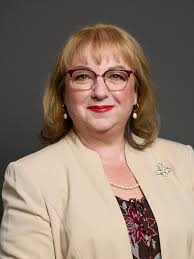
Our letter to Sharon Hodgson MP, who has recently been appointed as Parliamentary Under-Secretary of State at DHSC and minister for public health and prevention, outlines the key elements of what we believe an effective push on bowel cancer prevention and early diagnosis could look like.

We are calling on the Minister and the Department of Health and Social Care to do three key things:

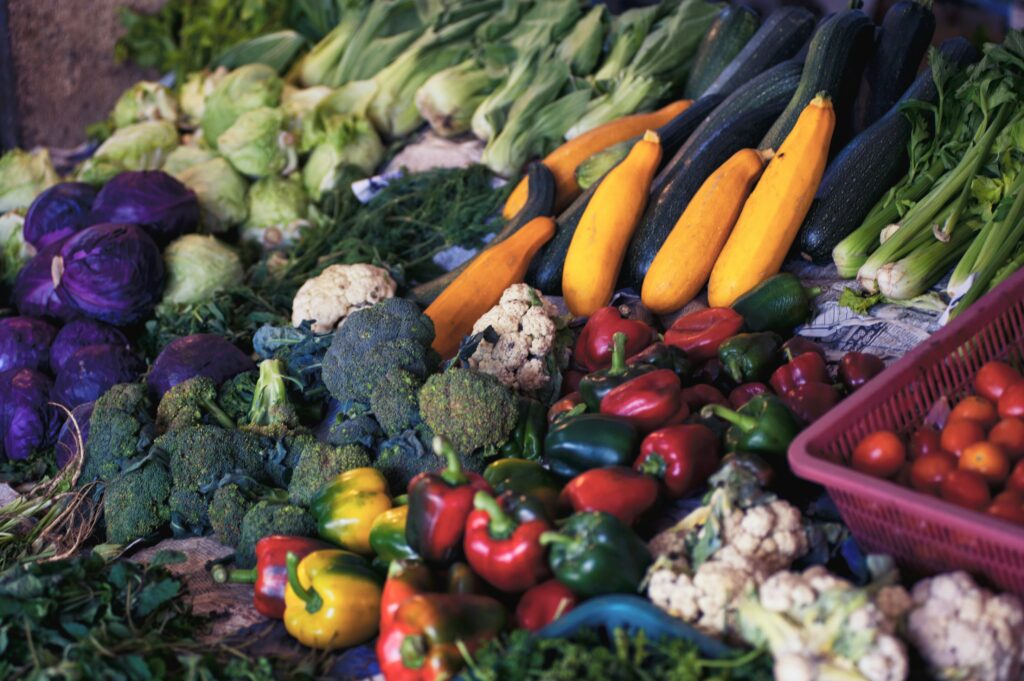
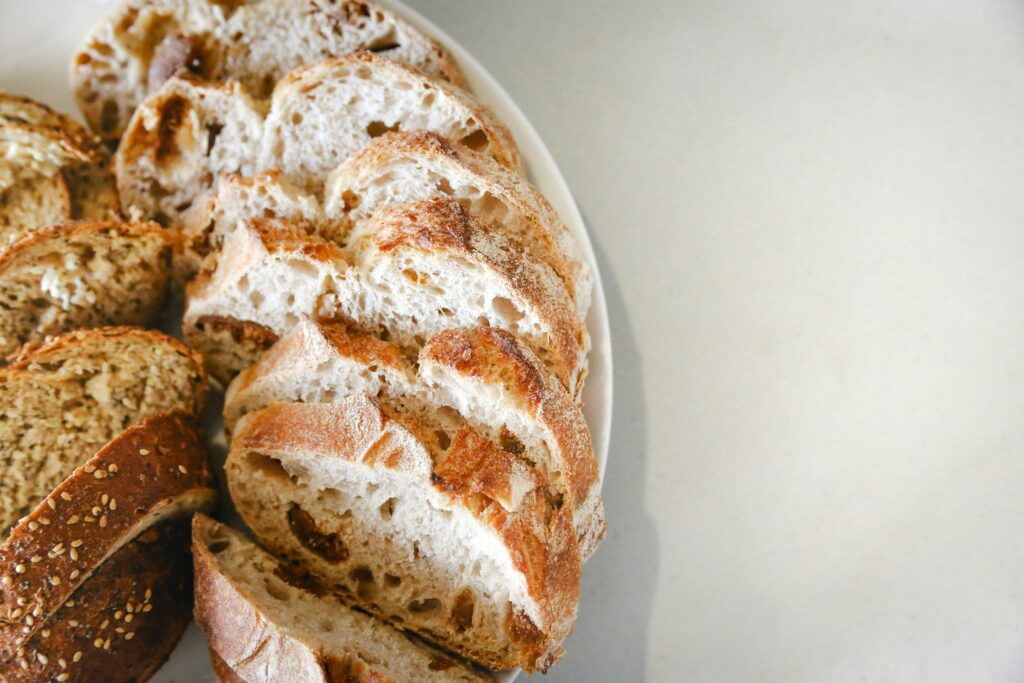
  1. Implement a wide-ranging plan to boost the number of Britons eating a higher fibre diet with an initial focus on school meals and food in public sector settings. Did you know that diets low in fibre account for 28% of all bowel cancer cases?
  2. Consider further extending the scope of the bowel cancer screening programme and increasing the sensitivity of the screening test over time. Building up sufficient diagnostic capacity in the NHS would allow the sensitivity of the test to be increased and many more people to be diagnosed early.
  3. Use the screening programme to boost understanding of bowel cancer and awareness of how people can reduce their risk.
Read our letter to Sharon Hodgson MP

Because the bowel cancer screening programme is so central to the battle against bowel cancer, we have also written to Sir Mike Richards, Chair of the UK National Screening Committee (UK NSC).

It is UK NSC’s responsibility to weigh up the scientific evidence and make recommendations to the government on screening programmes in the UK. The extension of the national bowel cancer screening programme has led to real progress against bowel cancer in recent years, but we need to continue to improve and extend this programme, especially if we are to make the kind of progress in early diagnosis targeted by the National Cancer Plan.

Among other things, we have asked the UK NSC:

  • To actively review the case for extending the screening programme to those aged 75-79 and set out the evidence base for the upper age limit.
  • For their support in asking the government and the NHS to consider whether notifications about bowel cancer screening can be used to deliver written information about bowel cancer and bowel cancer prevention.
Read our letter to the UK National Screening Committee

We believe this last request to both the Minister and the UK NSC should be a ‘no-brainer’.  The use of screening as a tool for providing information on the prevention of future disease could be one of its most important potential functions. It could be extended to other programmes as well – there is no reason for instance that lung cancer screening notifications could not include effective communication about smoking cessation.

Knowledge is power. Effective cancer prevention requires increased knowledge and understanding. And effective prevention measures are always cost effective.

Read our campaign briefing

Filed Under: Uncategorized

Why we need ‘Action Against Bowel Cancer’

April 13, 2026 by Jill Clark

April is Bowel Cancer Awareness Month. That is why we have chosen this month to launch CancerWatch’s new campaign Action Against Bowel Cancer, which is calling for a stronger focus on bowel cancer prevention and early diagnosis. 

Awareness of bowel cancer has increased over recent years. It is anyway one of the most common forms of cancer (fourth most common). And awareness has been further boosted by the campaigning of the late Dame Deborah James who so famously coined the term ‘Bowelbabe’, and more recently by the death of actor James Van Der Beek. 

But understanding of bowel cancer prevention – what people can actually do to help protect themselves from bowel cancer – remains too low. This is especially important as the evidence suggests that more than half (54%) of cases of bowel cancer are preventable.  

The most important risk factor by far is eating too little fibre. Nearly a third (28%) of cases of bowel cancer are caused by low fibre diets. And we know that 96% of adults and 90% of children in Britain eat too little fibre. Other important risk factors include eating processed meats (13% of cases) and being overweight or obese (11%).  

How many people could be spared the pain of a cancer diagnosis if we took this understanding and applied it more seriously?  

Our campaign Action Against Bowel Cancer will ask this question, and we will challenge policymakers to look seriously at how we can boost the number of British people eating high fibre diets.  

Our first recommendation is that new school food standards are updated to include the latest scientific advice, including on fibre. And we have already seen the government take major steps towards this in the last few days – not a bad start! 

We’re also asking if we can go further to improve early diagnosis of bowel cancer to save more lives. Bowel cancer screening has been successful in increasing early detection rates and saving lives. And over recent years we’ve seen welcome progress with the extension of screening to those aged 50-54, and the sensitivity of the screening test being increased to help catch more cases.  

But screening still only detects 12% of cases. So, we’ll also be arguing that we need to build up diagnostic capacity to allow us to further increase the sensitivity of the screening test, and that we should fully review the case for extending screening to those aged 75-79. 

Over the course of the next few weeks, we will be writing to the Minister for Public Health, the Minister for Early Education (who has responsibility for school meals) and the UK National Screening Committee, which makes recommendations to the government on all screening programmes. We will also be engaging with MPs and peers about these issues.  

We believe that with a much stronger focus on prevention and continued improvements in the screening programme, alongside continuing improvements in treatment, we could be aiming to virtually eliminate, or at least radically reduce deaths from bowel cancer over the coming decades.  

Wouldn’t that be an achievement worth fighting for?! 

READ OUR CAMPAIGN BRIEFING

Filed Under: Uncategorized

National Cancer Plan falls short of ‘prevention first’ approach

February 9, 2026 by Jill Clark

The National Cancer Plan is a huge step forward but it should have been much stronger on primary prevention

This week has seen the launch of the National Cancer Plan for England, fittingly published on World Cancer Day 2026, Wednesday 4 February.

The publication of the Plan is itself an important step forward. We need a fully-formed national strategy and a plan to continue to drive forward improvements in prevention, diagnosis, research and care.

And this is a genuinely ambitious plan which sets targets to radically improve survival rates for those diagnosed with cancer and includes a commitment to meet all cancer waiting time targets by 2029. This and much else in the Plan is extremely welcome.

A mixed picture on prevention

However, in CancerWatch’s area of interest – cancer prevention – the National Cancer Plan appears to be more of a mixed picture. An important distinction here can be made between primary prevention and secondary prevention.

Secondary prevention consists of early detection measures targeted at people who are appear asymptomatic or generally healthy, with a view to detecting the disease early and improving outcomes for those who do have cancer. Cancer screening programmes are the most obvious example of this.

Primary prevention consists of measures to prevent cancer from occurring by eliminating or reducing key risks factors, through for instance altering unhealthy behaviors, or reducing the prevalence of risk factors in the environment.

The National Cancer Plan is strong on secondary prevention, but significantly weaker on primary prevention.

On screening and early detection (secondary prevention)

The National Cancer Plan is particularly strong on the extension and improvement of cancer screening programmes.

Some of the stand-out elements of this include:

  • Completing the roll out of targeted lung cancer screening by 2030.
  • Trialling the use of ling cancer screening to screen for other smoking-related cancers (described as ‘moving the scanner down’).
  • Increasing the sensitivity of Bowel Cancer screening and the Faecal Immunochemical Test (FIT).
  • Completing the rollout of self-testing to women who have not taken up the offer of cervical screening.

We warmly welcome all of these measures, and we would like to see the government and the UK National Screening Committee continue to look for ways to extend and improve cancer screening programmes. Clear evidence of net benefit should always be the test of this, but lack of resources should not be a blocker.

Given the importance to patient outcomes of diagnosing early, not to mention the cost effectiveness of doing so, there should always be a winning argument for investing in sufficient screening capacity wherever we know it can make a difference.

On tackling the key risk factors (primary prevention)

But taking a truly preventive approach to cancer requires looking beyond screening and early detection and focusing more intently on the major modifiable risk factors for cancer, the biggest drivers of those 40% of cancer cases that we know could have been prevented.

The National Plan is not silent on this. It very clearly sets out the key risk factors – smoking; weight and poor diet; alcohol consumption; UV exposure. It also makes clear the central role that the key cancer risk factors play in shaping wider health inequalities. And it outlines some important steps the government is taking to tackle these risk factors.

Tobacco and smoking

On smoking, the Plan understandably trumpets the smokefree generation policy which sits at the heart of the Tobacco and Vapes Bill. This is truly a world-leading piece of legislation, which will have an enormous impact in reducing cancer cases by preventing future generations from ever starting smoking. The Plan also mentions the roll out of opt-out smoking cessation support into all routine care across the NHS, and ongoing funding support for local government stop smoking programmes.

These are welcome measures, even if previously announced, but it is disappointing that the opportunity wasn’t taken to set out how we can bring forward a smoke free future by making faster progress on helping existing smokers to quit, including more focused support for the most disadvantaged and hardest to reach groups.

Diet and obesity

On obesity and poor diet, the key measure in the Plan is the proposal to introduce mandatory healthy reporting for large food companies and the use of this to develop a healthy food standard (already announced in the 10 Year Health Plan). Alongside this, there is clear a focus on accelerating the uptake of weight loss medicines, but little else. Given the urgency and broader public health imperative to tackle the obesity epidemic, this policy response feels distinctly underwhelming.

Alcohol

On alcohol, the Plan re-commits to the introduction of mandatory health warning labels on alcoholic drinks. This is something CancerWatch has long campaigned for, because we believe it could be a vital first step in raising awareness of cancer risk and encouraging people to reduce their drinking. But if this policy is to be truly effective in raising health literacy and helping people make better choices, then we believe it is vital that health warning labels explicitly mention cancer risk.

The Plan also commits to encouraging growth in the use of ‘no and low’ alcohol drinks, but it stops there. It is disappointing to see no commitment to bringing forward an alcohol strategy, no targets for reducing alcohol consumption and no mention of minimum unit pricing or restrictions on alcohol marketing – measures proven to be effective in reducing alcohol consumption.

UV exposure

On UV exposure, the Plan commits the government to significantly tighten up the regulation of commercial sunbeds, including banning unsupervised sessions and introducing mandatory ID checks to verify users are over 18. These are new measures, not previously announced, and represent a welcome step forward. But they are still relatively small beer compared to more robust approaches being taken in other countries.

Conclusion: still no systemic approach to cancer prevention

So, the National Plan is not silent on primary prevention and the government is bringing forward some groundbreaking measures, most obviously the smokefree generation policy and alcohol labelling. There is also talk of taking ‘a whole society approach to prevention’, which sounds worth pursuing, but the Plan fails to really set out what it means by this.

What is lacking is a truly comprehensive approach to the key cancer risk factors, and a clear sense of determination and forward momentum in tackling some of the key causes of preventable cancer, especially obesity and alcohol consumption. The suspicion is that food and alcohol industry efforts to discourage and stymy tougher measures have played a significant role in this. This is disappointing from a government that came to power promising a ‘prevention revolution’ and that made ‘sickness to prevention’ one of the three key shifts at the heart of the 10 Year Health plan.

The strong emphasis on secondary prevention (screening and early detection) makes real sense in the context of the Plan’s strong focus on improving survival rates and the lengthening the life expectancy of those with cancer.

But it does less to address the threat posed by rising incidences of cancer in the UK, with a projected 14% rise in cases over the next 15 years. If we want to manage down the enormous human and economic toll of this and avoid more and more health service resources being given over to treatment, we need to see a much more robust, ‘whole systems’ approach to cancer prevention. The same can be said in relation to efforts to reduce the serious health inequalities we face in the UK.

That systemic approach to cancer prevention would use every effective tool we have in our toolbox, including restrictions on sales and marketing, incentives to businesses to change or reformulate their products, incentives on consumers to change behaviour, as well as information and awareness-raising.

The National Cancer Plan may be a big step forward, but on this measure it falls a long way short, and that feels like a missed opportunity. So, we need to keep working to ensure implementation of the many good measures within the National Cancer Plan and to develop that truly systemic approach to cancer prevention that could save so many lives, with a view to the next national cancer plan being one which fully embodies that ‘prevention first’ approach.

Filed Under: Uncategorized

Letter to Wes Streeting, MP, Secretary of State for Health and Social Care

June 20, 2025 by Jill Clark

CancerWatch has today written to the Secretary of State for Health and Social Care, Wes Streeting MP to urge the Government to take action to improve consumer understanding of the cancer risk associated with alcohol.

The link between alcohol and cancer is the theme of this year’s Cancer Prevention Action Week 2025 (#CPAW25). Alcohol accounts for nearly 12,000 cases of cancer each year in the UK and is an important factor in at least seven types of cancer.

Because of this, CancerWatch is joining other health charities in calling for a stronger priority to be placed on tackling the public health challenges posed by alcohol, including cancer risk.

Specifically, CancerWatch has urged the Secretary of State to include alcohol as a key policy priority within the forthcoming National Cancer Plan and to:

  1. Introduce mandatory health warnings on all alcohol products to improve consumer awareness of the health risks of drinking alcohol.
  2. Ensure that mandatory health labelling includes a specific warning about the link between alcohol consumption and cancer
  3. Transfer enforcement of standards for alcohol labelling to an independent regulatory body, such as the Foods Standards Agency.

You can read the full letter below:

Reg Charity No. 1206140

Rt Hon. Wes Streeting MP.,
Secretary of State for Health and Social Care,
DHSC, 39 Victoria Street,
London SW1H 0EH

23rd June 2025

Dear Secretary of State,

Cancer Prevention Action Week – 23-29 June 2025
Cancer and Alcohol – Mandatory Health Warnings

We are writing to you in Cancer Prevention Action Week 2025 to ask you to take steps to address the risk of cancer to the British population caused by the consumption of alcohol. 

Every day in the UK, there are 1,000 new cancer cases and yet, an estimated 400 of these could have been prevented. One of the major risk factors for cancer is alcohol consumption, which the World Health Organisation classifies as a Group 1 carcinogen. Alcohol is an important causal factor in at least seven types of cancer, specifically those of the breast, bowel, oesophagus, liver, mouth, throat, and voice box. That is why this year’s Cancer Prevention Action Week is focusing on the cancer risks of alcohol. 

We very much welcome that one of the three “shifts” detailed in the 10 Year NHS Health Plan is to move from sickness to prevention, and that prevention featured prominently in the recent consultation on the National Cancer Plan. However, effective action to prevent cancer requires us to recognise and address the cancer risks associated with alcohol.

This must begin by raising people’s awareness and understanding of those risks. Therefore, we strongly urge you to include alcohol as a key policy priority within the forthcoming National Cancer Plan and to take the following actions:

1. Introduce mandatory health warnings on all alcohol products to improve consumer awareness of the health implications of drinking alcohol.

2. The mandatory health labelling should include a specific warning about the link between alcohol consumption and cancer. This would reflect the recommendations of the WHO Europe[1], and would also mirror the legislation being implemented by the Republic of Ireland from 2026.[2] British labelling should aspire to at least match these standards.

3. Regulation around new mandatory standards for alcohol labelling should be transferred to an independent regulatory body, such as the Food Standards Agency, to ensure that the regulation of alcohol labelling in the UK is at least as rigorous as it is for foodstuffs

Evidence suggests that:

  • Alcohol causes around 11,900 cases of cancer per year in the UK.[3]
  • Around 1 in 10 breast cancer cases are caused by drinking alcohol, equating to about 4,400 cases per year.[4]
  • Worldwide, alcohol accounts for around 400,000 deaths from cancer each year.[5]

All these cases and deaths are potentially preventable. Prevention begins with awareness and there is good evidence that health warning labels on alcohol can be effective in raising awareness of health risks and helping to moderate consumption. As such, we believe mandatory health labelling on alcohol is an important and necessary step in the National Cancer Plan’s aim to reduce lives lost to cancer. 

Unlike food labelling, which must meet mandatory standards, alcohol labelling in the UK currently follows industry-run best practice guidelines, and this voluntary system of labelling is failing to support people to make more informed choices. By taking action to ensure mandatory health labelling on alcoholic drinks, the government will be empowering consumers to make informed choices about the health risks and implications of alcohol, at the same as supporting its preventative approach to health. 

We would be pleased to meet with you and your officials to discuss in more detail how we might work together to bring forward these policies and to help improve awareness of the links between alcohol and cancer. Please contact Andrew Dixon at  to arrange this. 

We look forward to hearing from you and working together to improve health outcomes and cancer rates across the country.

Yours sincerely,

Jill Clark

Jill Clark, Chair
CancerWatch

[1] Brown, K. et al., The fraction of cancer attributable to modifiable risk factors in England, Wales, Scotland, Northern Ireland and the United Kingdom in 2015. British Journal of Cancer, 2018.

[2] Cancer Research UK, How does alcohol cause cancer?

[3] Nuffield Department of Population Health, New genetic study confirms that alcohol is a direct cause of cancer


[4] WHO, Alcohol health warning labels: a public health perspective for Europe.

[5] WHO, What’s in the bottle: Ireland leads the way as the first country in the EU to introduce comprehensive health labelling of alcohol products.

Filed Under: Uncategorized

Cancer Prevention Action Week Part 2: Alcohol and cancer – we need to stop bottling it

June 19, 2025 by Jill Clark

This year’s Cancer Prevention Action Week (23rd – 29th June 2025) is focused on the link between alcohol and cancer. And for good reason. Because this link has rarely received the attention it deserves. Some causes of cancer are better known than others. Smoking, poor diet and UV radiation would perhaps be top of most people’s list. Most people might associate alcohol harm with liver disease, drink-driving, or addiction. Fewer are aware that alcohol is also classed as a Group 1 carcinogen – in the same category as tobacco – by the World Health Organisation. Alcohol is a risk factor in at least seven different types of cancer, including some of the most common cancers: breast, bowel and oesophageal. And in total, alcohol consumption is responsible for 11,900 cases of cancer a year in the UK, nearly one in 25 cases.

Yet awareness of this risk remains strikingly low. Why is that? It may have something to do with the complications of the relationship British society has with alcohol, and the scope and influence that gives to the alcohol industry.

Many of us have seen some of the harms associated with alcohol. Yet at the same time many of us will also associate alcohol with socialising, relaxation and celebrating. And for those reasons, it may be difficult, even jarring, to bring cancer into the conversation, and into our thinking about alcohol.

But understanding and managing risk is a part of life. It’s something we all have to do every day. If alcohol comes with cancer risk, that’s just something else we need to face. We can’t keep bottling it.

However, we also have an information gap that we need to tackle. Most people have just not been exposed to the facts on alcohol and cancer.

So this Cancer Prevention Action Week, CancerWatch has written to the Secretary of State for Health, Wes Streeting, to call for the government to take action and introduce mandatory health warnings on the labels of alcohol products.

The case for doing so is strong. Consumers deserve the ability to make informed choices. There is good evidence that having this information helps people to moderate consumption. But consumers are currently denied that information. Because, unlike foodstuffs, which have mandatory requirements for nutritional information on labels, there is little or no health information available on alcohol labels. And standards for alcohol labelling are maintained by a voluntary industry-led code.

There is a better standard that we could aspire to. The Irish Government has legislated to introduce mandatory health information, including cancer risk, on all alcohol products from May 2026.

The UK government has placed a lot of emphasis on the importance of prevention in its thinking about the soon-to-arrive 10 Year Health Plan and the National Cancer Plan. This is welcome, but an effective approach to cancer prevention will require us to recognise and address the cancer risks associated with alcohol. That starts with raising awareness of that link. We can do this by following the lead set by the Irish government. The government should stop bottling it and act now.

The CancerWatch Team – June 2025

Filed Under: Alcohol, Cancer Prevention Action Week

Cancer Prevention Action Week: Part 1 What’s The Value of a Cancer Prevention Action Week?

June 19, 2025 by Jill Clark

This week (23rd-29th June 2025) is Cancer Prevention Action Week (CPAW). The focus for this year’s CPAW is that tricky subject – the link between alcohol and cancer. But what’s the purpose of CPAW and why this particular focus?

Thinking about and campaigning on cancer prevention is at the heart of what CancerWatch does as a charity and we do this all year round. But for most people, including health professionals and policy makers, that almost certainly isn’t the case.

Most of us think about cancer most intensely when it affects us directly through its impact on us, our friends and family. When this happens, we think about diagnosis, treatment, survival, recovery, fear of mortality, loss, and the preciousness of time. Generally speaking, this is what health professionals and policymakers tend to focus on as well.

For understandable reasons, policymakers are typically focused on how to improve all of these things – how to diagnose earlier, treat sooner and more effectively, so as to maximise people’s chance of survival and minimise deaths. And as for the approximately 60% of cancer cases that are not preventable – cases that as far as we are aware nothing could have prevented – those things are all we can focus on.

But around 40% of cancer cases are preventable. These are cancers caused by factors in our wider social and economic environment, cancers that, if those factors had not been present, would not have happened.

That 40% figure represents an awful lot of pain, fear, loss, and lengthy difficult treatments, all of which could potentially have been avoided. Therefore, it is absolutely right that we should take time to step back and focus on what our response to this should be.

And Cancer Prevention Action Week provides an opportunity to do precisely that – to focus a bit more attention on the 40% of cancer cases that are preventable, what we can do to reduce them, and what a serious strategy to reduce preventable cancers across the board might look like.

This will require us to look again at some of the key causal factors in preventable cancers, not just tobacco and smoking, but the role of diet and obesity, the links between alcohol and cancer, and exposure to UV rays in skin cancer.

CancerWatch exists because we believe this conversation should have much greater prominence, and it’s a conversation we pursue all year round.

We believe it’s time for policymakers to do the same. And there are some good signs here, with the “move from sickness to prevention” being identified in the consultations for both the National Cancer Plan and the 10 Year NHS Health Plan.

But what we need is an approach to cancer prevention that truly lives up to this rhetoric. And now is the time to start.

The CancerWatch Team – June 2025

Filed Under: Alcohol, Cancer Prevention Action Week

The National Cancer Plan

May 13, 2025 by Jill Clark

The National Cancer Plan (NCP) consultation was announced earlier in the year and closed at the end of April 2025. Like the consultation for the NHS 10 Year Plan it has attracted enormous interest, not only from health organisations such as CancerWatch but also from other organisations interested in the fight against cancer, and from interested individuals. We are told that the consultation for the NCP has attracted some 11,000 submissions and will inform the nature of cancer services in England in future years.

The structure of the NCP submission was in the form of sections, covering key issues such as prevention and awareness; early diagnosis; treatment; living with cancer; research; and inequalities, with each section preceded by a dropdown menu with various choices asking you to identify your top three priorities for that subject. You were then given the opportunity to explain your answer in a limited number of words.

As a cancer prevention charity, not all the sections were relevant to CancerWatch. However, the sections that we felt were relevant, were prevention and awareness, early diagnosis (where we have an interest in screening), research and inequalities.

For CancerWatch, it is immensely encouraging that the first section in the consultation is awareness and prevention and the priorities that that suggests (as was the case of the NHS Change consultation earlier in the year). Although consultations tend to emphasise the NHS, the Dept of Health and Social Care who administer the consultation, has made it clear that the outcome of the consultation will also be used to inform the future of public health, for which they are also responsible. We believe that is a huge step in the right direction for the battle against cancer in this country.

With respect to our submission on the section on prevention and awareness, unsurprisingly we chose smoking, obesity and alcohol as the key problems in the drop down menu to be addressed. In the opportunity to explain our answer we also commented on viruses, UV rays and chemicals in the workplace as opportunities for preventing cancer. We believe that the link between alcohol and cancer is one that deserves much greater attention and awareness. As such, we have taken this opportunity to encourage the government to legislate for compulsory health warnings on bottles of alcohol, which is our main campaign this summer.

With respect to the section on early diagnosis, we took the opportunity to recommend increases in symptoms awareness, and advances in diagnostic test access and capacity. With respect to screening, there have been advances in lung cancer and targeted screening for specific groups, all of which we applaud. As cancer is often a disease without symptoms, we recommended a greater emphasis to be placed on screening.

In the section on research, we made the point that there is plenty of research on how cancer can be prevented, but very little of the research is ever put into practice, not least because is requires legislation or regulation to carry out.

A particularly important section for CancerWatch was the section on inequalities. The most important drivers of health inequality (certainly in terms of life expectancy) are also the most important causes of preventable cancer. 50% of all inequalities in mortality between the richest and poorest in the UK are considered to be caused by smoking, with another 30% or so of these inequalities caused by obesity. This was revealed in the 2014 Marmot Report on public health. In our response to the NCP, we took the opportunity to highlight how little has been achieved in tackling these inequalities since.

Finally, although we felt all of the sections of the consultation were important, we believe it is a considerable step forward for the consultation to plan so much emphasis on prevention and awareness. The default position has always tended to be to emphasis treatment and “cure” with respect to cancer. We really do need to move beyond this. The real advance available to us now is the eradication of the 40% of all cancers that are considered preventable. That was what CancerWatch was set up to achieve.

Filed Under: Policy, Uncategorized

Government responds to House of Lords Committee report on the obesity crisis in England

February 26, 2025 by Jill Clark

In October 2024, the House of Lords (HOL) Food, Diet and Obesity Committee published a report; Recipe for health: a plan to fix our broken food system. The report highlights an obesity crisis across the country and points to a number of key factors driving the reality that 64% of adults in England are now living above a healthy weight.[1] As CancerWatch, we welcomed the publication of this report because of the clear and well-established link between obesity and 13 types of cancer, including cancers of the breast and bowel (two of the most common types of Cancer), pancreatic and oesophageal (two of the hardest types of Cancer to treat) and womb, kidney and liver.

The Government has now published their response, acknowledging the role that obesity plays in driving ill health, economic activity and premature mortality.[2] With a Government Mission focused on reforming the NHS which includes reducing the burden on frontline services and developing a more preventative approach to healthcare, we’ve taken a look at their response and drawn out three commitments they’ve made to tackle obesity and drive improved public health.

  1. The Government has agreed to produce an “ambitious food strategy” – one of the headline recommendations from the HOL report – which, alongside improving food security and environmental impact of food production, will seek to facilitate greater access and availability of healthier foods. While this strategy will be led by the Department for Environment, Food and Rural Affairs, it will be developed in close collaboration with the Department for Health and Social Care and the Department for Education and the Food Standards Agency.
  2. As part of its manifesto commitment to provide breakfast clubs to all primary school age children at state-funded schools, the Government is working with the FSA and local authorities to ensure a whole school approach to food to ensure quality and quantity standards for the food being provided to children in the school environment.
  3. The Government will review the effectiveness of front-of-pack nutrition labelling to ensure consumers are well-informed about the nutritional benefits and health drawbacks of foods. They have also committed to evaluating the impact of calorie labelling implemented by large businesses across England, with a review due to be published by 2027.

As CancerWatch, along with our partners and friends from across sectors, we will continue to call on Government to ensure that these commitments lead to tangible action and impact in enabling a sea-change in access and affordability of healthier choices and action on poor diet across the country.


[1] https://digital.nhs.uk/data-and-information/publications/statistical/health-survey-for-england

[2] https://www.gov.uk/government/publications/get-britain-working-white-paper

Filed Under: Diet and food

Planning for better health: new rules to limit fast-food outlets near schools

January 28, 2025 by Jill Clark

There was some good news before Christmas for anti-obesity campaigners and all those who care about improving the diet of children and young people. The Government announced that it will from now on be harder to open new fast-food outlets, especially in close proximity to schools or places where young people gather.

Planning policy tightened

The newly revised version of the National Planning Policy Framework (NPPF) which came into use in December states that:

Local planning authorities should refuse applications for hot food takeaways and fast food outlets:

a) within walking distance of schools and other places where children and young people congregate, unless the location is within a designated town centre; or

b) in locations where there is evidence that a concentration of such uses is having an adverse impact on local health, pollution or anti-social-behaviour.

The NPPF is a key planning document which sets out the overarching principles of national planning policy. All local authorities are obliged to abide by these principles in developing their own local planning policies and deciding planning applications.

Fast food, obesity and cancer

We know that fast foods tend to be high in calories, saturated fats and salt, and higher consumption of them raises the risk of obesity. And we know that obesity is a major driver of cancer in the UK, being a causal factor in up to 13 different types of cancer, including cancers of the breast and bowel (two of the most common types of cancer), and pancreatic and oesophageal cancer (some of the hardest to treat).

As such, though the relationship between diet and cancer is complex, we could make very significant in-roads into reducing preventable cancer by improving our diet. To achieve this, CancerWatch believes that we need to seek structural changes in our economy and society which will make cancer-causing products and choices less prevalent and healthier choices much more prevalent.

Enabling and encouraging children and young people from all backgrounds to take on healthier dietary habits from a young age is central to our ability to do this. As campaigners have pointed out, fast food outlets are disproportionately clustered in the most deprived neighbourhoods and this concentration may have been growing in recent years.

This change in planning policy is exactly the kind of structural change we need to see to improve the nation’s diet and seriously cut back the number of preventable cancers.

Building on success

The new policy is also a real victory for food campaigners from a wider range of organisations, including Obesity Health Alliance, of which CancerWatch is a member, Sustain, and Food Active who have rightly celebrated this victory. Now we need to build on these successes and continue to campaign for a better food environment for children and young people. We could begin by reducing the proportion of ultra-processed foods in school meals, as set out in CancerWatch’s 2024 Cancer Prevention Manifesto.

Filed Under: Diet and food

Cervical Cancer Prevention Week

January 24, 2025 by Jill Clark

This week is cervical cancer prevention week. This is well worth marking, because cervical cancer is one of the most common causes of cancer in women, yet deaths from cervical cancer are among the most preventable.

Cervical cancer is the 12th most common cancer in women in the UK, and the 4th most common globally.[1]

Over the last half a century, cervical screening has had a major impact in preventing cervical cancer deaths. A recent US study found that nearly half (43%) of deaths from cervical cancers that have been averted between 1975 and 2020, were entirely down to cervical screening, as opposed to improvements in treatment over this period.[2]

It is estimated that in England cervical screening currently prevents 70% of cervical cancer deaths. However, if everyone attended screening regularly, it is estimated this could be much higher, with as many as 83% of deaths from cervical cancer being prevented.[1]

This suggests that more can and should be done to ensure that more women are able to access screening and prevent cervical cancer deaths. 

The most important steps women can take to prevent cervical cancer are:

1. Attending cervical screening when invited. If you are a woman aged 25-64 and registered with a local GP, you will get a letter telling you when it is time for your cervical screening appointment. Sexual health clinics in your area may also offer cervical screening if you do not wish to see your GP.  More details here on the NHS website. 

2. Taking up the HPV vaccine if you are 11-18 years old. The HPV vaccine is recommended for those from 12 to 13 years and those at higher risk. In the UK, it is I available free on the NHS to all girls under 25 and most of those who are at higher risk. More details here.

3. Being aware of the symptoms of cervical cancer. Symptoms of cervical cancer include: heavier periods than you normally have, vaginal bleeding between periods, after sex, or after the menopause, pain during sex, or pain in your lower back, between your hips, or in your lower tummy. More information on symptoms can be found here.


[1] World Cancer Research Fund: https://www.wcrf.org/preventing-cancer/cancer-types/cervical-cancer/

[2] National Institutes of Health: https://www.nih.gov/news-events/news-releases/five-cancer-types-prevention-screening-have-been-major-contributors-saving-lives

[3] NHS England: https://www.gov.uk/government/publications/cervical-screening-description-in-brief/cervical-screening-helping-you-decide–2 NB: The coverage of screening programmes in much of the rest of the world is significantly lower, and therefore globally prevention is lower and death rates are higher.  

Filed Under: Information

Andy’s Story: Quitting Smoking – my ‘sliding doors’ moment

October 24, 2024 by Jill Clark

We are nearing the end of Stoptober, which means thousands of people across the country will have managed to stop smoking over the last few weeks. If they have, they are now three weeks without smoking and have made it through the hardest part. 

This has given me a moment to reflect on my own relationship with smoking and what it meant to quit. It might even be helpful to others still looking to quit. 

Because I wasn’t an occasional smoker, or a social smoker. I was an inveterate smoker, an addict, always smoking somewhere between 10-15 a day. It was my instinctive response to stress, or high emotion. And more than this, smoking was very definitely tied up in my identity. It felt somehow fully intertwined with my rebellious teenage self, with my student years, with relationships and friendships, with my working day. It had cameo appearances in most of my best memories, and a few of the worst. 

And this mattered, because I knew I needed to quit. I could feel the toll it was taking on my health. I often seemed to have a cough I struggled to shake. In the summer, when hayfever season kicked in, I could find myself wheezy and breathless, especially in hot weather. Above all, I worried about the increasing impact this could have on my wellbeing as I got older.  But those worries were always about ‘tomorrow’. My addiction and triggers to smoke were always about ‘right now’. 

After numerous failed attempts to quit using nicotine replacement, I started to read the Allen Carr book which someone had recommended. While there are many other effective ways to stop smoking, this book helped me to break down every reason I ever gave myself for why I smoked. I fully de-constructed them, and circled back to the crude, underlying reality – that I smoked because I was addicted to nicotine. Break the addiction, and all your ‘reasons’ fade away.  

This is important to remember in current debates around anti-smoking policy, when people talk about the ‘freedom of choice’ to smoke. When it comes to addiction, freedom of choice is a rather awkward concept.

Interestingly, the book also tells you not to try to stop smoking until you have finished reading the book. Which was super handy for me, because I wasn’t quite ready to quit when I started. So, I somehow managed to keep reading the book over a 6-month period. But in the week before my 39th birthday I worked through the final chapters and on the morning of my birthday, I finished the book, very intentionally rolled and smoked a cigarette and then stubbed it out, resolving that that was the last cigarette I would ever smoke. 

The days that followed were a pretty intense experience. I was in an almost constant state of unease, craving a cigarette, everything slightly a blur, with a lot of my mental space being taken up by inner monologues about breaking addiction and not being a smoker any more. I sometimes found myself walking towards the door of my flat as if going for a cigarette, only to have to physically turn myself around and say ‘no, you don’t do that anymore’. 

After five days I felt the worst of the cravings had passed. After ten days, I no longer had cravings. But there were still some big obstacles to come. Drinking and nights out had always been the thing that broke my previous attempts to quit. I hadn’t drunk anything for the first two weeks of quitting. The first time I did, I met a friend who didn’t smoke. To my slight surprise I found that I could enjoy a couple of pints just as much. The next major test came a week later when I went for a boozy night out with a group of colleagues from work, all of whom would smoke socially. I had a good night and although it felt odd not to be smoking, I never really felt any strong compulsion to do so. I felt like I had somehow broken through to the other side. 

And I had. I didn’t smoke another cigarette for two years after that. I must admit, I have sometimes smoked the occasional cigarette since then. An odd moment of weakness or curiosity here and there. But having fully broken my addiction, those occasional lapses have tended mainly to strengthen my disassociation with smoking. It actually wasn’t very pleasurable after all. It tasted and felt disgusting. I felt notably worse for it. 

Quitting smoking feels like a kind of ‘sliding doors’ moment in my life, where I took a path that has led me to a better life; mentally and physically healthier, somehow more in control. And I feel hopeful that I’ve managed to dodge what would have been a likely future of declining health, longer-term serious illness and quite probably a life cut short. We need to do everything we can to help millions more remaining smokers make that leap. 

Written by Andy from the CancerWatch Team

Filed Under: Smoking

An extended smoking ban: could it herald a new dawn in cancer prevention?  

September 6, 2024 by Jill Clark

The announcement that the new government is considering extending the smoking ban is welcome news, but could it signal a much stronger focus on tackling preventable cancers – one that would have the support across the country and Parliament?

It appears the government is considering a major extension to the indoor smoking ban, first introduced by the last Labour government back in 2007. Reports, effectively confirmed by the Prime Minister last week, suggest that the government is looking to dramatically extend the ban to include many outdoors areas. 

The details of this will only be confirmed when actual proposals are published. However, on the basis of documents leaked to it, The Sun newspaper has suggested the new ban could extend not just to beer gardens, outdoor spaces in restaurants and clubs, but also to children’s play areas, and areas outside sports grounds, universities, hospitals.

CancerWatch strongly welcomes what looks like a bold new move by the government, though we echo comments made by Chief Executive of ASH that the priority should remain bringing the smokefree generation policy into law. 

Could this be a Parliament for cancer prevention? 

But what we find most exciting is the possibility that this could signal a much stronger focus on preventative health policy, and cancer prevention specifically. There are some good reasons to hope that this could be the case.

For starters, the Prime Minister’s language. When asked about the policy, he stressed the importance of taking a preventative approach to health, highlighted the 80,000 ‘preventable deaths’ each year attributed to smoking, and talked about the burden of preventable illness on the NHS and the public purse. This follows from a strong focus on prevention in the Labour manifesto

Given the size of the Labour government’s majority, this is important. But there also appears to be broad-based support for this stronger approach to prevention across a wide swathe of British society and across Parliament. 

A YouGov poll suggests that 58% of the public would support the proposed ban, with only 35% opposed. What’s more, it showed majority support across all nations and regions, across all age groups, classes and genders, and among supporters of all political parties, with the sole exception of Reform.

The new outside smoking ban will come forward as part of the Tobacco and Vapes Bill, outlined in the Kings Speech in July. And the centrepiece of this Bill will be the smokefree generation policy which would make it illegal for anyone born after 2009 to ever buy cigarettes. But this was a law the previous Conservative government had already been in the process of taking through Parliament. There were some Tory backbench dissenters to the policy, but the Bill passed its second reading by 383 votes to 67 in a Conservative-dominated parliament. 

And consensus goes further than this. Obesity and poor diet are also major causes of preventable cancers. The Labour government has pledged to ban junk food advertising to children, but restrictions on junk food advertising featured in all of the largest three parties’ manifestos. And the Liberal Democrats, with a much-increased presence in this Parliament, went furthest of all in their manifesto, pledging to introduce a new levy on tobacco company profits to fund smoking cessation services. 

Properly funded cessation services can play a crucial role in helping us reach a smokefree country by the end of the decade and it should be the extraordinary profits being made by tobacco companies that pay for this, not the hard-pressed public pursed. This is why CancerWatch placed this idea at the heart of our Cancer Prevention Manifesto for 2024. It is not an idea the government appears to be considering yet, though in a tough fiscal environment, the ‘polluter pays’ model should be an attractive one. 

Yet we hope that the proposed extension of the smoking ban signals the beginning of a tougher approach to cancer prevention, in which the government recognises the enormous benefits of prevention – to peoples’ lives and health and the public purse – and is prepared to take on vested interests to pursue this. Let’s hope they grasp the nettle. If they do, it appears they should have broad-based support, across the country and across the new Parliament. 

Filed Under: Smoking

  • Page 1
  • Page 2
  • Page 3
  • Go to Next Page »

Campaigning to Prevent Cancer

  • X
  • Facebook
  • LinkedIn

CancerWatch is a registered charity in England and Wales (1206140)
Registered Address:  8 Maunsel Street, London SW1P 2QL | Privacy policy