


We are calling for a strong focus on bowel cancer prevention and continued improvements to screening to radically reduce deaths from bowel cancer in the future.
Bowel cancer, also referred to as colorectal cancer, is one of the most common types of cancer in the UK. Most cases of bowel cancer are preventable and the biggest risk factor by far is a low fibre diet.
With a strong focus on prevention, continued improvement of screening, and continuing advances in treatment, we could be aiming to virtually eliminate deaths from bowel cancer over the coming decades.
We are calling for:
- The government to implement a wide-ranging plan to boost the number of Britons eating a higher fibre diet
- Extending the scope of the bowel cancer screening programme and increasing the sensitivity of screening over time
- Use of the screening programme to boost prevention awareness
Background: the facts on bowel cancer
Bowel cancer is the fourth most common form of cancer in the UK, and the second largest cause of cancer deaths (behind lung cancer), accounting for 1 in 10 cancer deaths. Around 44,000 people are diagnosed with bowel cancer every year in the UK. And around 17,400 people in the UK die from bowel cancer each year. That’s 48 deaths every day. Bowel cancer is most common among those over 50, and more than 40% of cases occur in those aged 75 and over.1
Scientists believe than more than half (54%) of bowel cancer cases are preventable. Key risk factors include diet, overweight and obesity, smoking and alcohol. The biggest modifiable risk by far is a low-fibre diet. Nearly a third (28%) of bowel cancer cases in the UK are caused by eating too little fibre,2 and we know that 90% of children and 96% of adults in the UK are not eating enough fibre.3
Trends in incidence rates and deaths from bowel cancer in the UK are generally a positive story. Deaths from of bowel cancer have fallen by nearly half since the 1970s, likely due to better treatment, screening and early diagnosis. And bowel cancer incidence rates have been flat or falling over recent decades.4 However, evidence of sharply increasing incidence of bowel cancer among younger adults (under 50 years old) is a cause for real concern.5
Bowel cancer prevention
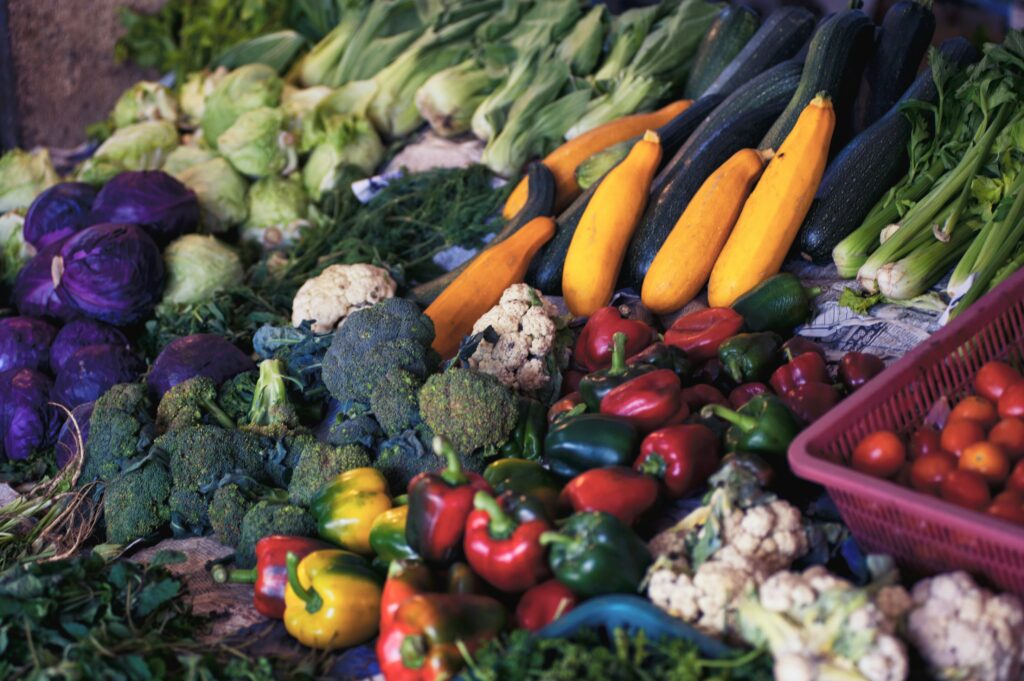
A serious approach to bowel cancer prevention needs to focus on the key drivers of bowel cancer and the possible causes of rising incidence among young adults. It makes sense to start with a primary focus on low fibre diets, the biggest risk factor for bowel cancer. A focus on food in schools and other public sector settings, public guidance and awareness-raising could all be important elements of a plan to boost the number of Britons eating a higher fibre diet.

Bowel cancer screening
Bowel cancer screening has been successful in increasing early detection rates and saving lives. The age range for bowel cancer screening has successfully been extended downward over recent years from ages 55-74 to ages 50-64. But over 40% of cases occur in those aged 75 and over,6 and screening still only detects 12% of cases.7 The UK National Screening Committee (UK NSC) is responsible for making recommendations on screening programmes in the UK and their last review of bowel cancer screening was in 2018.
It was recently announced that the sensitivity of the bowel cancer screening test was to be increased, but further reductions in the sensitivity recommended by UK NSC could detect even more cases if colonoscopy capacity was greater.

What we are calling for
With the right combination of prevention, comprehensive early screening and continuing improvements in treatment, we could be aiming to virtually eliminate deaths from bowel cancer over the coming decades.
CancerWatch’s campaigning focuses on prevention and screening policy. And in these areas, we are calling on the government to:
- Implement a wide-ranging plan to boost the number of Britons eating a higher fibre diet, with a particular focus on schools and young people. This should include:
a. Improving and updating school food standards – Among other improvements, the next version of the standards should place greater emphasis on high intake of fibre. It should reflect the most recent scientific advice from the Scientific Advisory Committee on Nutrition (SACN) on fibre consumption for children and accord with the recently updated nutrient profiling model (NPM).
b. Ensuring adequate funding and monitoring of school food standards – Ensure there is adequate funding for school meals so that it is not any harder for schools and providers to meet the revised standards. And put in place a monitoring framework to ensure compliance with school food standards, building on a 2024 pilot led by the Food Standards agency.
c. Developing attractive high fibre school meal options – DfE should bring together school meal providers and celebrity chefs to develop a range of attractive high fibre meals that are deliverable and within budget for most school meal providers. Use the new Breakfast Clubs programme to promote attractive high fibre breakfast options.
d. Extending good food standards to all public food provision –the Government should update the Government Buying Standards for Food and Catering Services (GBSF), strengthening the nutrition standards in accordance with the latest nutrient profiling model, and make the standards mandatory across all public sector settings.
e. Updating and strongly promoting the Eatwell Guide – the Government should update the Eatwell Guide, including recommendations on fibre, in accordance with the latest nutrient profiling model and scientific evidence. It should then seek to use and promote the Guide much more fully, including through effective social media, the NHS app, and targeted public health interventions.
f. Improving labelling and developing greater awareness – high fibre labels on food should be made more prominent and the government and major supermarkets should work with celebrity chefs and others to lead a campaign or series of campaigns on healthy eating and high fibre diets.

- Consider extending the scope of the bowel cancer screening programme and increasing the sensitivity of the screening test over time. Bowel cancer screening still only detects 10% of cases, and screening stops at age 74 despite the fact that 45% of cases occur in those over 74. Therefore, we believe we must:
a. Review the case for extending the screening programme up to those aged 79 – in its next review of the bowel cancer screening programme, which is now over-due, the UK National Screening Committee (UK NSC) should actively review the case for extending the screening programme to those aged 75-79 and make clear the evidence base for any recommended upper age limit.
b. Build NHS capacity to continue to increase the sensitivity of the screening test – The recent announcement that the FIT test threshold for referral would be lowered to 80 μg Hb/g for England is very welcome, but UK NSC has previously said that the threshold should be set as low as possible down to a limit of 20 μg Hb/g. The only limitation to doing this is colonoscopy capacity constraints. The Government should therefore set a plan to build up colonoscopy capacity over time with a view to gradually reducing the screening threshold over time down to 20 μg Hb/g.
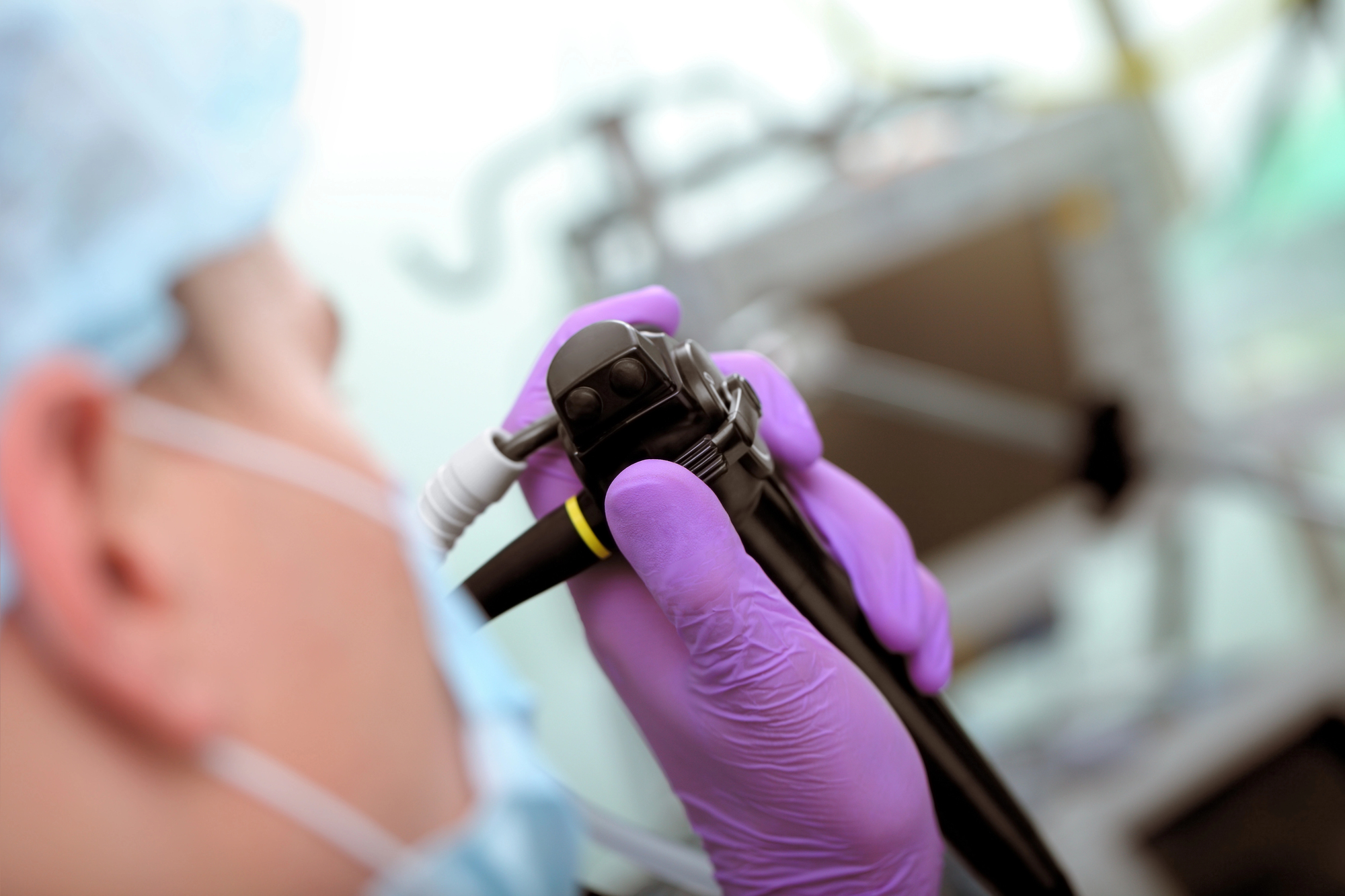
3. Use screening programmes to provide information on bowel cancer and boost prevention awareness – The NHS sends out millions of individual notifications about bowel cancer screening each year. We should use this point of intervention to deliver written information about how people can protect themselves and their families from developing bowel cancer. This should information on dietary and lifestyle factors that can increase or decrease their risk.

References
- Cancer Research UK, Bowel cancer statistics ↩︎
- Cancer Research UK, Bowel cancer statistics ↩︎
- Office for Health Improvement & Disparities, National Diet and Nutrition Survey 2019 to 2023, 2025 ↩︎
- Cancer Research UK, Bowel cancer statistics ↩︎
- Cancer Research UK, Bowel cancer rates rising in younger adults around the world, 2024 ↩︎
- Cancer Research UK, Bowel cancer statistics ↩︎
- National Bowel Cancer Audit (NBOCA), State of the Nation Report, 2025. ↩︎