

We are calling for action on prevention and early diagnosis to halt the rising incidence rates and deaths from liver cancer in the UK.
Liver cancer is not one of the most common cancers in the UK, but it is one of the deadliest. And while death rates from most cancers are falling, liver cancer is going in the wrong direction. Of the 20 most common causes of cancer death in the UK, it has had the fastest rise in death rates over the past decade.1
The number of people dying from liver cancer each year is projected to rise by around half by 2040. Yet half of all cases are preventable. We want to see action now so that we can begin to reverse these trends in future and start bringing deaths from liver cancer back down.
Background: the facts on liver cancer
There are around 7,000 new cases of primary liver cancer in the UK every year, and around 6,400 deaths. That is around 17 deaths every day.2
Liver cancer is the 17th most common cancer in the UK, but it is the 8th most common cause of cancer death. This is because liver cancer is one of the least survivable cancers. Over half of patients do not survive more than a year after diagnosis, and only 13% survive for five years or more.3
Liver cancer is strongly linked to deprivation. In England, incidence rates in the most deprived areas are 78% higher for women and 89% higher for men than in the least deprived areas. Around 1,600 cases a year in the UK are linked to deprivation.4
There are two main types of primary liver cancer. Hepatocellular carcinoma (HCC), which starts in the main liver cells, is the most common. Intrahepatic bile duct cancer starts in the bile ducts within the liver. Liver cancer is more common in men than in women, and this is especially true of HCC.5
Liver cancer is complicated by the fact that it typically follows long-term liver disease. Something injures the liver, the liver becomes inflamed, inflammation leaves scarring (cirrhosis), and cancer grows from the damaged tissue.
The causes of preventable liver cancer
It is calculated that half (49%) of all liver cancer cases in the UK are preventable.6
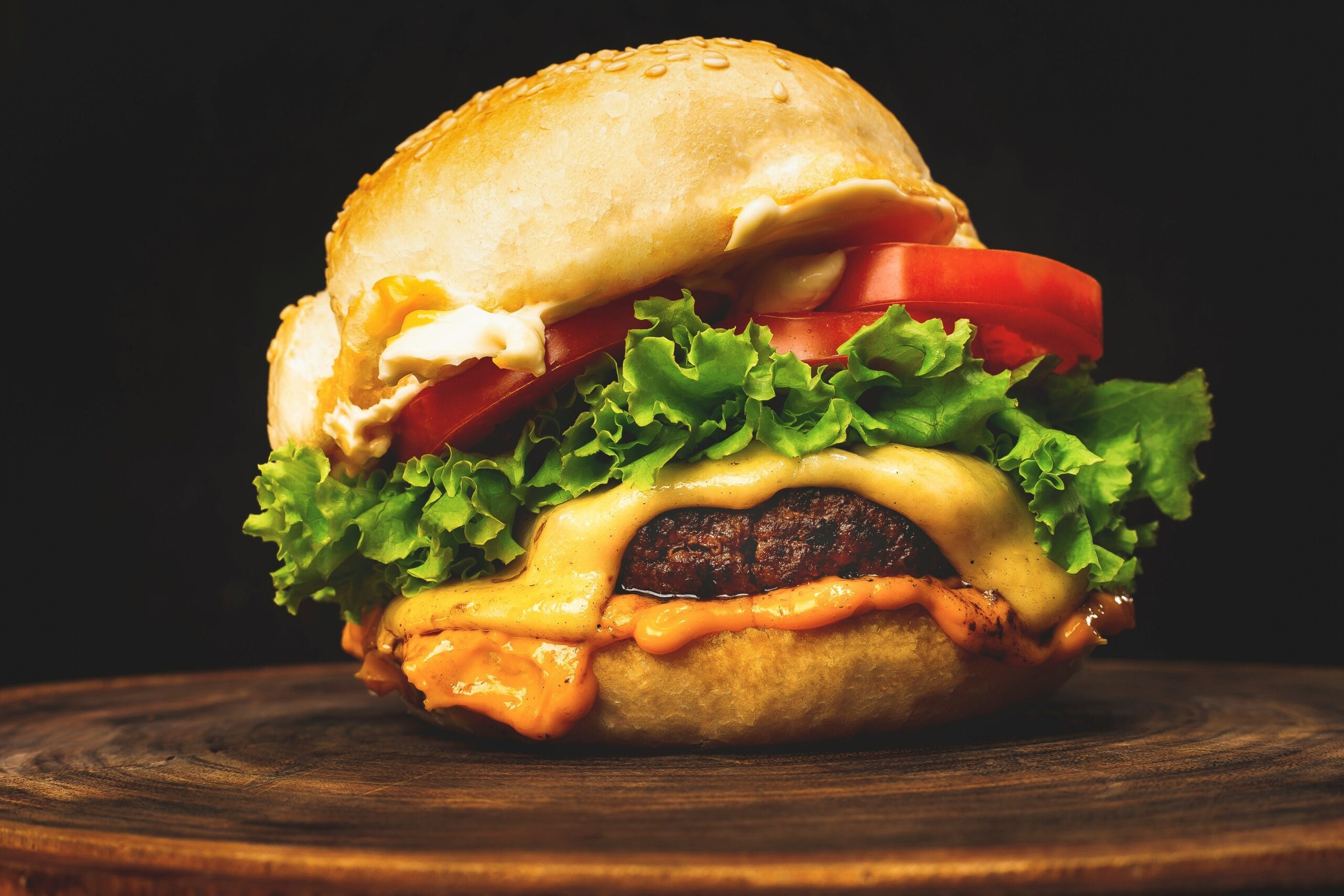
Overweight and obesity is the biggest preventable cause, behind 23% of cases.7 Carrying extra weight can cause fat to build up in the liver, which over years can inflame and scar the liver, and cancer can grow from the damage.
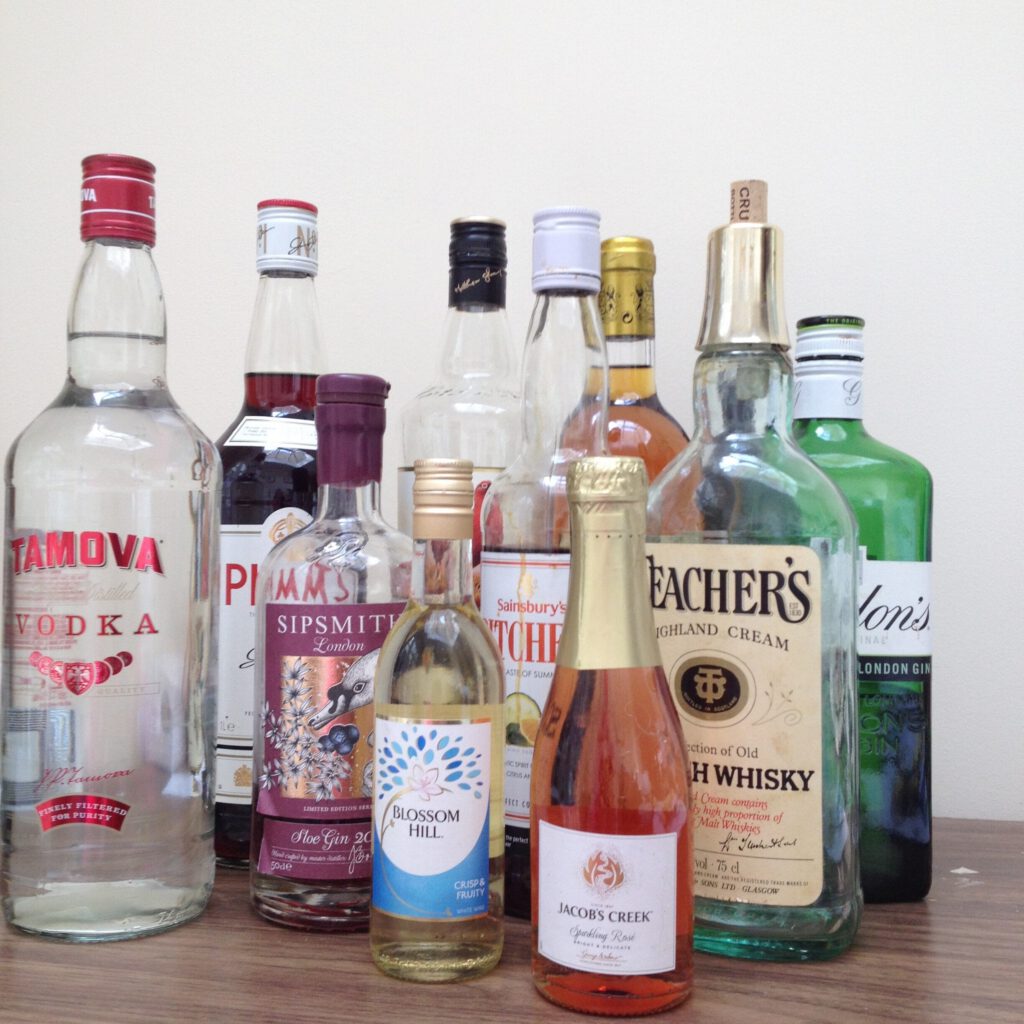
Smoking is behind 20% of cases, and alcohol accounts for 7% of cases. Hepatitis B and C together account for a further 10% of cases.8 Both viruses can live in the liver for decades, inflaming and scarring it, without any obvious symptoms.
Of these preventable causes, overweight and obesity is continuing to rise, and alcohol consumption has turned upwards again. These are important drivers in rising incidence rates in the UK.
Why are liver cancer cases and deaths rising?
Over the last half century, the risk of developing liver cancer has been rising fast in the UK. Incidence rates in the UK have almost tripled since the early 1990s. Death rates have more than tripled since the early 1970s and are almost twice as high as they were 20 years ago.9
Rising levels of overweight and obesity is likely to be the most significant driver of these increases.10 Adult obesity in England doubled between 1993 and 2024, and around 1 in 4 adults now have fatty liver disease.11 12
Other causes have also played a part: high levels of smoking from the 1960s to the 1980s, and a wave of hepatitis C infections from the 1970s to the 1990s.13 14 Alcohol consumption rose steeply from the 1960s to the 2000s and has started rising again.
The rate of increase in liver cancer incidence and death rates has slowed in recent years, but it has not stopped.15 And because liver cancer mostly affects older people, our ageing population means that total numbers are rising sharply. Cases are projected to rise from around 7,000 to around 9,700 a year from now until 2038-40, and deaths from around 6,400 to around 9,500.16
What we are calling for
Liver cancer cases and deaths are rising, yet half of all cases are preventable. We’re calling for action on prevention and early diagnosis to turn these trends around.
Excess weight and alcohol are driving much of these increases, and most cases are still diagnosed too late.
The government has already made commitments that could help reverse these trends. They now need to be delivered.
We are calling on the government to:
- Bring forward a consultation on, and implement within this Parliament, mandatory healthy food sales reporting for all large food businesses, as promised in the 10 Year Health Plan, and consider the extending the successful Soft Drinks Industry Levy ‘sugar tax’ to other high sugar products.
- Bring forward a consultation on the introduction of mandatory health warnings (including warnings of cancer risk) on alcoholic drinks, and develop a comprehensive alcohol strategy that addresses affordability, promotion and availability.
- Expand clinical interventions that prevent liver cancer and improve its early diagnosis. This should include extending hepatitis B vaccination to a higher percentage of at-risk populations, extending the availability of semaglutide drugs, and expanding the use of FibroScan assessments, in line with the National Cancer Plan’s commitment to a more proactive approach to the early-stage diagnosis of rare cancers.
References
- Cancer Research UK, Cancer types compared statistics; Liver Cancer UK, Liver cancer death rate surges despite overall decline in UK cancer deaths, 2024 ↩︎
- Cancer Research UK, Liver Cancer Statistics ↩︎
- Cancer Research UK, Survival for liver cancer ↩︎
- Cancer Research UK, Liver Cancer Statistics ↩︎
- Cancer Research UK, Liver Cancer Statistics ↩︎
- Cancer Research UK, Liver Cancer Statistics ↩︎
- Cancer Research UK, Liver Cancer Statistics ↩︎
- Cancer Research UK, Liver Cancer Statistics ↩︎
- Cancer Research UK, Liver Cancer Statistics ↩︎
- Cano et al, Geographic diversity of human liver cancers mirrors global social inequalities, Frontiers of Oncology 15:1565692, 2025 ↩︎
- NHS England, Health Survey for England 2024: Adults’ overweight and obesity, 2026 ↩︎
- Liver Cancer UK, MASLD (Metabolic dysfunction-associated steatotic liver disease) ↩︎
- Cancer Research UK, Death rates from liver cancer double in the last 20 years, 2025 ↩︎
- Harris et al, Increased uptake and new therapies are needed to avert rising hepatitis C-related end stage liver disease in England: Modelling the predicted impact of treatment under different scenarios, Journal of Hepatology, 61(3), 2014 ↩︎
- Cancer Research UK, Liver Cancer Statistics ↩︎
- Cancer Research UK, Liver Cancer Statistics ↩︎